
In today’s digital-first world, the distinction between social media marketing and digital marketing is often blurred. Both strategies aim to reach online audiences and drive engagement, but they do so in different ways and through various channels. Understanding the nuances of each approach—and how they work together—can be a powerful tool for businesses looking to grow their brand, connect with customers, and achieve their marketing goals. In this comprehensive guide, we’ll explore the key elements of both social media marketing and digital marketing, highlighting their differences and similarities and how to leverage them for maximum impact.
What is social media marketing?

Social media marketing (SMM) refers to the process of using social media platforms like Facebook, Instagram, Twitter, LinkedIn, and TikTok to promote products, services, or brands. This strategy involves creating content that resonates with the target audience, building communities, and engaging with users to increase brand awareness, drive website traffic, and ultimately, boost sales.
Key Components of Social Media Marketing:
- Content Creation: Creating engaging content—such as images, videos, blog posts, infographics, and memes—is at the core of social media marketing. The content must be tailored to each platform’s audience and the brand’s voice, with a focus on value and relevance.
- Community Building: Social media is an excellent way to foster direct relationships with customers and prospects. Through consistent interaction, businesses can build a loyal community, respond to feedback, and create a sense of belonging.
- Paid Advertising: Social media platforms offer paid advertising options that allow businesses to target specific demographics based on age, location, interests, and behavior. Ads are often displayed within users’ feeds or stories and can drive immediate traffic to a website or landing page.
- Analytics & Metrics: Social media platforms provide in-depth analytics to track the performance of content and ads. Metrics such as engagement rate, impressions, reach, and click-through rate help businesses gauge the effectiveness of their campaigns and optimise future efforts.
- Influencer Marketing: Collaborating with influencers or content creators who have a large and engaged following is another popular strategy in social media marketing. These partnerships can help brands reach new audiences and build credibility through trusted voices.
What is digital marketing?
Digital marketing encompasses all marketing efforts that use an electronic device or the internet. This strategy includes a wide array of channels—such as search engines, websites, email, social media, and mobile apps—to connect with consumers. Unlike traditional marketing, digital marketing offers a more targeted approach, enabling businesses to reach specific audiences based on their behaviour and preferences.
Key Components of Digital Marketing:
- Search Engine Optimisation (SEO): SEO involves optimising a website’s content and structure to improve its ranking in search engine results pages (SERPs). Higher rankings drive organic traffic to a site, increasing visibility and providing opportunities for conversions.
- Email Marketing: Email marketing involves sending targeted messages to a list of subscribers. It’s a great way to nurture leads, inform customers about new products, share promotions, and build customer loyalty.
- Pay-Per-Click (PPC) Advertising: PPC advertising allows businesses to bid for ad placement in search engines like Google. These ads appear at the top of search results, driving traffic to a website. Businesses only pay when a user clicks on the ad.
- Content Marketing: Content marketing is the creation and distribution of valuable, relevant, and consistent content to attract and retain an audience. It includes blog posts, articles, videos, podcasts, and other types of content designed to educate, entertain, or inform the target audience.
- Affiliate Marketing: Affiliate marketing is a performance-based strategy where businesses reward third-party partners (affiliates) for driving traffic or sales through their referral links. It’s a cost-effective way to expand reach and drive conversions.
- Mobile Marketing: With the rise of mobile devices, mobile marketing focuses on reaching customers through SMS, mobile apps, and responsive websites. It’s especially important in an era where consumers are constantly on the go.
Key Differences Between Social Media Marketing and Digital Marketing

While both social media marketing and digital marketing are crucial components of a successful marketing strategy, there are key differences between the two:
- Scope:
- Social Media Marketing: SMM specifically focuses on social media platforms to engage users, build communities, and drive conversations. It includes organic social media strategies, paid ads, influencer partnerships, and content creation.
- Digital Marketing: Digital marketing is a broader umbrella that includes a variety of online channels and tactics, such as SEO, content marketing, email marketing, and PPC, in addition to social media.
- Audience Interaction:
- Social Media Marketing: SMM is highly interactive. Brands can engage directly with users, answer questions, respond to feedback, and build a sense of community. It’s an excellent tool for two-way communication.
- Digital Marketing: While digital marketing also allows for customer interaction (such as through email responses or comments on blog posts), the engagement tends to be more passive than the instant, real-time interactions on social media platforms.
- Channels:
- Social Media Marketing: SMM is confined to platforms like Facebook, Instagram, LinkedIn, and others.
- Digital Marketing: Digital marketing covers a wide array of channels, including social media, but also extends to search engines, email, websites, and more.
- Cost:
- Social Media Marketing: Social media marketing can be cost-effective, especially if a brand focuses on organic content and community building. Paid advertising is also available but can require a budget depending on the platform and targeting options.
- Digital Marketing: Digital marketing generally requires a larger budget since it includes multiple strategies, from SEO to PPC. However, it offers opportunities for a more diversified approach, and businesses can allocate funds across various channels to maximise reach and conversions.
How Social Media Marketing and Digital Marketing Work Together
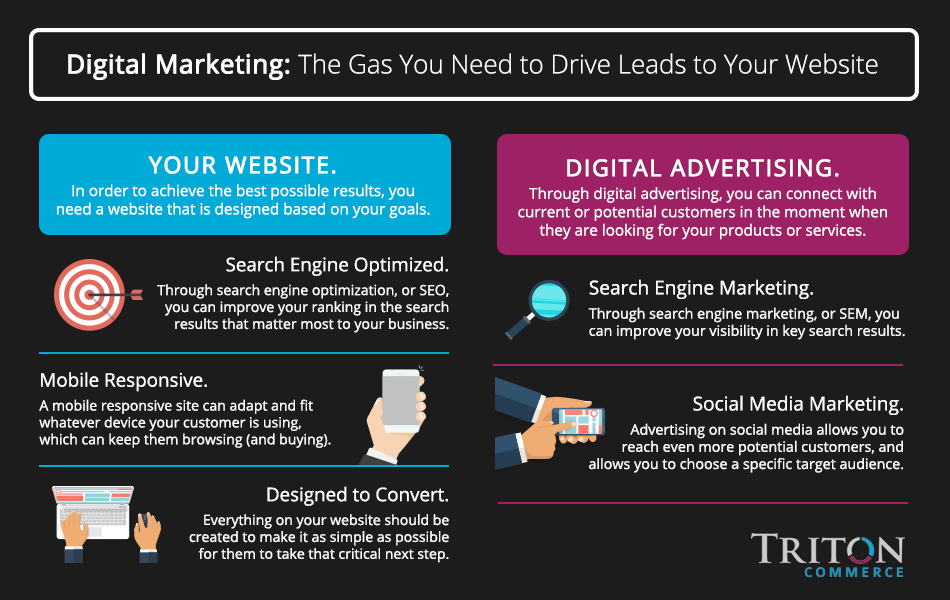
To get the most out of both approaches, businesses should integrate social media marketing within their broader digital marketing strategy. Here are some ways they complement each other:
- Lead Generation: Social media can be a powerful lead generation tool, driving traffic to landing pages where users can convert. Once users land on your website, digital marketing strategies like email marketing or retargeting ads can nurture these leads into paying customers.
- SEO & Content Creation: Sharing blog posts, videos, and infographics on social media can help boost website traffic, which, in turn, can improve search engine rankings. The more people engage with content, the higher it may rank on search engines, helping to further drive organic traffic.
- Brand Awareness & Community Building: Social media is excellent for building brand awareness and creating a sense of community. Once users are familiar with your brand through social media, digital marketing techniques like email campaigns or PPC can be used to reinforce the message and encourage further engagement.
- Data & Analytics: Both social media and digital marketing provide valuable data to help businesses understand their audience. Social media analytics can inform content creation, while digital marketing metrics help assess website performance, sales conversions, and customer behaviour.
Conclusion
In 2024, social media marketing and digital marketing are two sides of the same coin. Both are essential for any business looking to thrive in the competitive online marketplace. While social media marketing offers an interactive and community-driven approach, digital marketing provides a broader range of channels to target, nurture, and convert prospects. By understanding how both strategies work and using them together, businesses can maximise their digital presence and drive tangible results. Whether you’re just starting or looking to improve your current strategy, embracing both social media and digital marketing is crucial to achieving long-term success.