
In today’s digital age, social media marketing has become a pivotal tool for businesses seeking to enhance their online presence and connect with their target audience. As consumers increasingly turn to social platforms for information, entertainment, and shopping, businesses must leverage these channels to establish a meaningful connection with potential customers. This blog post explores the essence of social media marketing and how it can serve as your gateway to digital success.
Understanding Social Media Marketing

Social media marketing involves using social platforms such as Facebook, Instagram, Twitter, LinkedIn, and TikTok to promote products, services, or brands. This form of marketing enables businesses to reach a vast audience, engage with customers, and drive website traffic. The primary goal of social media marketing is to create a community around your brand, foster relationships with customers, and enhance brand loyalty.
The Importance of Social Media Marketing
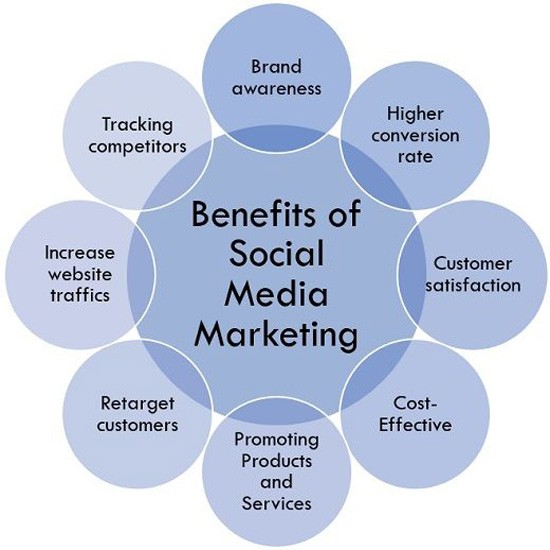
- Widespread Reach: With billions of users on social media, businesses can tap into a vast audience. This accessibility allows companies to reach potential customers regardless of geographical boundaries. For instance, Facebook alone has over 2.9 billion monthly active users, presenting a substantial opportunity for brands to expand their reach.
- Cost-Effective Marketing: Compared to traditional marketing methods, social media marketing is relatively inexpensive. Platforms often provide free account creation and tools for organic reach. Paid advertising options, such as Facebook Ads or Instagram sponsored posts, allow businesses to target specific demographics, ensuring a higher return on investment (ROI).
- Enhanced Brand Awareness: Regularly posting engaging content helps businesses establish a strong online presence. The more often potential customers encounter your brand, the more familiar they become with it. This familiarity can translate into increased sales and customer loyalty.
- Improved Customer Engagement: Social media provides a platform for direct communication between businesses and consumers. Customers can ask questions, provide feedback, and engage with brands in real time. This interaction fosters a sense of community and loyalty, as customers feel valued when their voices are heard.
- Valuable Insights and Analytics: Social media platforms offer valuable insights into consumer behavior. Marketers can track engagement metrics, such as likes, shares, and comments, to gauge the effectiveness of their campaigns. This data allows businesses to refine their strategies, target audiences more effectively, and improve overall marketing efforts.
Key Strategies for Effective Social Media Marketing

To maximize the potential of social media marketing, businesses should adopt key strategies:
- Define Your Target Audience: Understanding who your ideal customers are is essential. Create customer personas based on demographics, interests, and online behavior. This knowledge will help tailor content that resonates with your audience.
- Choose the Right Platforms: Not all social media platforms are suitable for every business. Identify where your target audience spends their time and focus your efforts there. For example, visual brands may thrive on Instagram, while B2B companies may find LinkedIn more effective.
- Create Engaging Content: Content is king in social media marketing. Create diverse and engaging content types, including images, videos, infographics, and blog posts. Incorporate storytelling elements to connect emotionally with your audience and encourage sharing.
- Consistent Posting Schedule: Regularly posting content keeps your brand at the forefront of your audience’s minds. Use social media management tools to plan and schedule posts, ensuring a consistent presence without overwhelming your audience.
- Interact with Your Audience: Engage with your followers by responding to comments and messages promptly. Encourage discussions, ask for feedback, and show appreciation for user-generated content. This interaction helps build a loyal community around your brand.
- Monitor and Analyze Performance: Regularly assess the performance of your social media efforts. Analyze engagement metrics, audience growth, and content performance to identify what works and what needs adjustment. Use these insights to refine your strategy continuously.
Conclusion
Social media marketing is more than just a trend; it is a powerful tool that can propel businesses toward digital success. By understanding its significance and implementing effective strategies, brands can harness the potential of social media to connect with their audience, enhance brand awareness, and drive sales. Embrace social media marketing as your gateway to a thriving digital presence, and watch your business flourish in the ever-evolving online landscape.