
In the competitive world of digital marketing, maximising the impact of every ad dollar is crucial for businesses looking to stretch their budgets and achieve substantial returns on investment (ROI). Whether you’re running ads on Google, Facebook, or any other platform, small changes in your advertising strategy can have a significant impact on your overall results. While it’s easy to get caught up in big-picture tactics, it’s often the “little things”—the details that may seem insignificant at first glance—that can make all the difference when it comes to improving the performance of your ads.
In this article, we’ll explore how small adjustments can lead to significant gains in your advertising campaigns, helping you maximise every dollar spent and achieve your marketing goals more effectively.
1. Fine-Tuning Audience Targeting
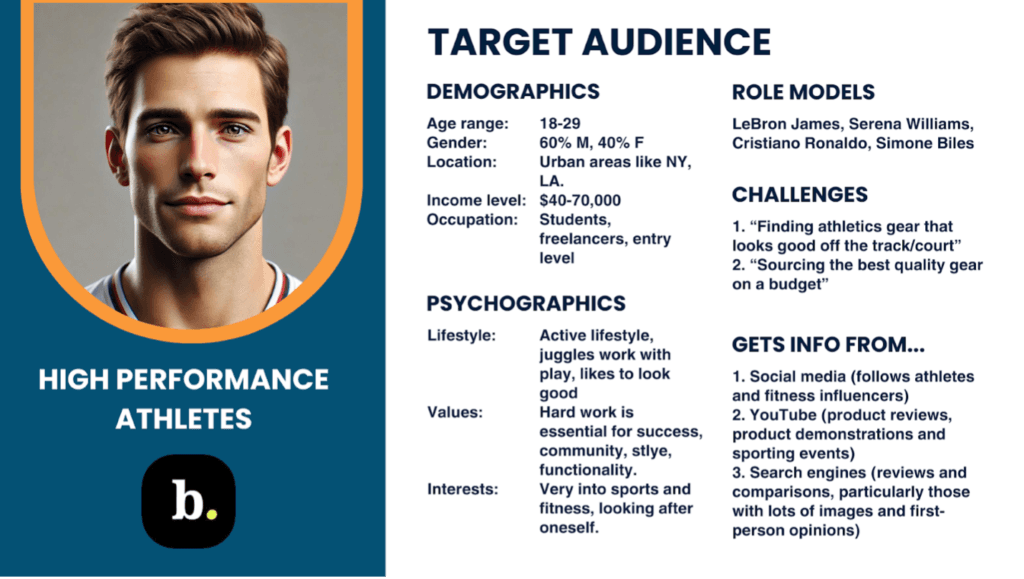
One of the most significant opportunities to maximise ad spend is ensuring your ads are shown to the right people. No matter how compelling your ad copy is, if it’s not reaching the right audience, you won’t see optimal results.
- Segmenting Your Audience: Many advertising platforms, such as Facebook, Google, and Instagram, offer advanced targeting features. By segmenting your audience based on behaviours, demographics, interests, and location, you can ensure that your ads are shown to those most likely to convert. For example, targeting people who have visited your website recently (retargeting) can be far more effective than showing your ads to a broad audience that may not have any prior knowledge of your brand.
- Lookalike Audiences: Building on your existing customer base by creating lookalike audiences allows you to reach new people who share similar traits and behaviours with your best customers. This increases the chances of conversions and ensures you’re not wasting ad dollars on individuals unlikely to make a purchase.
The better you refine and narrow your audience, the more cost-effective your ads will be, leading to better conversion rates.
2. Optimizing Ad Copy and Creative

The visuals and copy in your ads play a critical role in attracting attention and driving conversions. Slight changes in your messaging can result in improved click-through rates (CTR) and conversion rates.
- Clear, compelling Calls-to-Action (CTAs): A strong CTA can significantly impact your ad’s performance. Whether it’s “Shop Now,” “Learn More,” or “Get Started,” your CTA should be clear, concise, and action-orientated. Make sure that it aligns with your campaign goal and guides the user on what to do next.
- A/B Testing: Small tweaks in your ad copy or design can result in significant improvements in engagement. By testing different headlines, images, or offers, you can quickly identify what resonates with your audience and optimise your ads for better results. A/B testing allows you to compare different versions of an ad and refine your approach to make the most of your ad spend.
- Use of Video and High-Quality Visuals: Visual elements have a powerful impact on engagement. Ads with high-quality images or videos tend to perform better than those with generic or low-quality visuals. Incorporating video content—such as product demos or customer testimonials—can increase the chances of grabbing attention and conveying your message more effectively.
3. Ad Placement and Timing

Where and when your ads are shown can make a huge difference in their performance. Choosing the right platforms and timeframes can help you reach your audience when they’re most likely to engage.
- Platform Selection: Every platform has a unique audience and features. While Facebook is great for targeting a broad range of users, LinkedIn may be better for reaching a professional demographic. By tailoring your ad placement to the platform that best matches your audience’s habits, you ensure that your ad dollars are spent more efficiently. Understanding which platforms provide the best return for your business can help you concentrate your efforts where they matter most.
- Time of Day and Week: Ads displayed during peak times (when your target audience is most active) often perform better. For instance, if you’re targeting working professionals, running ads during lunchtime or early evening might yield better results. Most advertising platforms offer scheduling options that let you run ads at specific times or days, so make sure to adjust your campaign for optimal performance.
4. Optimizing Landing Pages for Conversions

Even if your ad is driving traffic to your site, the experience after the click matters just as much—if not more. A well-optimised landing page can dramatically increase conversion rates, ensuring that every ad dollar spent leads to a meaningful outcome.
- Consistency Across Ad and Landing Page: Ensure that the message and design of your landing page align with the ad the user clicked on. If your ad promises a 20% discount but the landing page doesn’t mention it, you risk confusing your visitors and causing them to leave without converting.
- Speed and Mobile Optimisation: A slow-loading landing page or one that isn’t mobile-friendly can hurt your conversion rate and waste your advertising spend. Ensure that your landing page is optimised for fast loading times and mobile responsiveness. This is especially crucial given that many users now browse the web primarily from their smartphones.
- Clear and Simple Form Design: If your ad’s goal is to generate leads or sign-ups, make sure your form is easy to fill out. Keep it short and simple, asking only for the information that is absolutely necessary. The more fields a user has to fill out, the more likely they are to abandon the process.
5. Bid Strategies and Budget Allocation
Maximising your ad dollars also means being strategic with how you allocate your budget. Even a small adjustment to your bidding strategy can influence the efficiency of your campaign.
- Automated Bidding Options: Most advertising platforms, like Google Ads or Facebook Ads, offer automated bidding strategies that adjust bids in real time to help you achieve the best possible results for your budget. By using these automated strategies, you can optimise your campaign to target high-performing ad placements without having to manually adjust your bids.
- Daily and Lifetime Budgets: Make sure you set realistic daily or lifetime budgets based on your goals. Start small and scale up as you analyse the data and identify what works. Overspending too quickly can quickly deplete your budget without producing meaningful results, while underfunding can prevent your ad from reaching a large enough audience.
- Retargeting and Remarketing: By running retargeting campaigns, you can remind people who have previously interacted with your brand to return and complete a purchase. Since these users have already shown interest in your product or service, they are more likely to convert, making them a high-value audience. Retargeting ads often provide a better ROI and help you make the most of your ad budget.
6. Track and Analyze Performance Continuously

The little things that make a big difference can only be discovered if you track and analyse your ad campaigns regularly. Use analytics tools to measure key metrics such as CTR, conversion rates, and customer acquisition costs (CAC). By consistently reviewing these metrics, you can identify areas where improvements can be made and adjust your strategy accordingly.
- Monitor KPIs (key performance indicators): Keep an eye on metrics that matter most to your goals. If you’re aiming for sales, monitor your cost per sale (CPS) and ROAS (Return on Ad Spend). If your goal is brand awareness, focus on engagement metrics like CTR and impressions.
- Adjust Campaigns in Real-Time: Most advertising platforms allow you to make real-time adjustments to your campaigns. If something isn’t working as expected, don’t wait until the end of the campaign to act. Small tweaks can have a significant impact on performance, so take action as soon as you notice an issue.
Conclusion
Maximising every ad dollar doesn’t require big, dramatic changes; it’s often the small adjustments and careful optimisation that lead to the most significant improvements. By focusing on refining your audience targeting, optimising ad creatives, adjusting placements and bidding strategies, and improving your landing pages, you can make the most of your ad spend and achieve better results. Consistent analysis and testing will help you fine-tune your campaigns over time, ensuring that every dollar spent brings you closer to your marketing goals.